
Basic Training Faculty

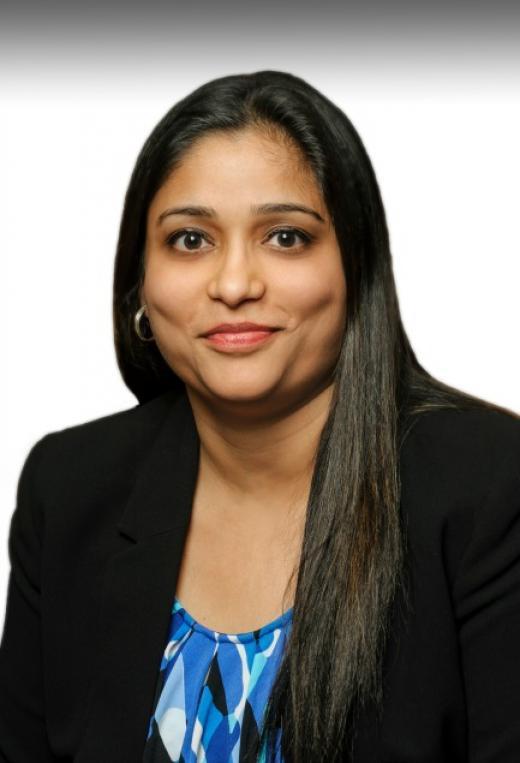
Vimla Aggarwal, MD
Columbia University
Dr. Vimla Aggarwal is an American Board of Medical Genetics and Genomics (ABMGG) certified Clinical Molecular Geneticist and Cytogeneticist. She directs the Precision Genomics Laboratory, a CLIA-certified laboratory at Columbia University Irving Medical Center. She has been deeply involved in the transition of genomic technologies (like chromosome microarrays, genotyping arrays, next generation sequencing panels as well as whole exome sequencing) from a research space to a clinical setting. Her research interests lie in the elucidation of the molecular basis for undiagnosed genetic diseases, as well as methods to improve variant classification and interpretation.

Paul S. Appelbaum, MD
Columbia University
Dr. Paul Appelbaum is the Elizabeth K. Dollard Professor of Psychiatry, Medicine, and Law, and Director, Center for Law, Ethics, and Psychiatry, Department of Psychiatry, College of Physicians and Surgeons, Columbia University. He directs Columbia’s Center for Research on Ethical, Legal, & Social Implications of Psychiatric, Neurologic, & Behavioral Genetics. The author of many articles and books on law and ethics in clinical practice and research, over the last decade much of his research has focused on the ethical and psychosocial impact of advances in genetics. Dr. Appelbaum is a Past President of the American Psychiatric Association and the American Academy of Psychiatry and the Law, and now chairs the APA’s DSM Steering Committee and is a member of the Standing Committee on Ethics of the World Psychiatric Association. He has been elected to the National Academy of Medicine. Dr. Appelbaum is a graduate of Columbia College, received his M.D. from Harvard Medical School, and completed his psychiatry residency at the Massachusetts Mental Health Center/Harvard Medical School.

Caitlin Baptiste, MD
Columbia University
Dr. Caitlin Baptiste is a geneticist and maternal fetal medicine physician. She completed medical school in Atlanta, Georgia at Emory University School of Medicine. She then completed Ob/Gyn residency and Maternal Fetal-Medicine fellowship in New York at Columbia University Irving Medical Center. She is a recent graduate of the Clinical Genetics and Genomics Fellowship in the Department of Pediatrics at Columbia University. She will join the Maternal Fetal Medicine and Genetics Divisions as an assistant professor in Obstetrics and Gynecology in 2023.

Joseph Biggio, Jr., MD, MS
Ochsner Health
Dr. Joseph Biggio is the System Chair Service Line Leader for the Women’s Services and the Vice-Chief Scientific Officer at Ochsner Health in New Orleans, LA. He earned his Doctor of Medicine from the University of Alabama at Birmingham (UAB) School of Medicine where he also completed a residency in Obstetrics and Gynecology as well as a combined fellowship in Maternal Fetal Medicine and Clinical Genetics. He is board-certified in obstetrics and gynecology, maternal fetal medicine, and clinical genetics. He also earned a Master’s of Science in Healthcare Quality and Safety from the UAB School of Health Professions. His major research interests have focused on the health disparities and genetics of prematurity, genetic screening, and preterm birth prevention. He is a member of multiple professional societies including ACOG, where he has chaired the Committee on Genetics, and SMFM, where he is currently President-elect. He is also the chair of the MFM Division of the American Board of Obstetrics and Gynecology where he serves on the Board of Directors and as an oral examiner for the certifying exam.

C.M. (Katia) Bilardo, MD
University of Groningen
Katia Bilardo (C.M. Bilardo) is Professor Emeritus in Fetal Medicine at the University of Groningen and Amsterdam UMC. She trained in London at King’s College Hospital with prof. S. Campbell and K. Nicolaides and has built a vast experience in all aspects of Fetal Medicine, with special focus on prenatal screening and ultrasound diagnosis of congenital anomalies. She has been very active within ISUOG (international Society of Ultrasound in Obstetrics and Gynecology), as trustees and President (2018-2020). She is one of the Editors of Ultrasound in Obstetrics and Gynecology.

Kara Bui, MS, CGC
Caris Life Sciences
Kara Bui is a board-certified genetic counselor with experience providing both prenatal and cancer genetic counseling services. She earned in her Masters in Genetic Counseling from the University of South Carolina—Columbia (2003), a certificate in Clinical Cancer Genomics from the City of Hope (2007), and a graduate certificate in Applied Bioinformatics from Penn State University (2017). Kara currently specializes in somatic variant annotation and is employed by Caris Life Sciences to screen solid tumor profiles for suspected germline variants. She also has held several leadership positions in the National Society of Genetic Counselors and American Board of Genetic Counseling.

Lyn Chitty
UCL Great Ormond Street Institute of Child Health
Lyn Chitty, Professor of Genetics and Fetal Medicine at the UCL Great Ormond Street Institute of Child Health and Great Ormond Street NHS Foundation Trust, has published extensively on prenatal diagnosis and ultrasound screening of fetal abnormalities. Recently her main research interest has been around the use of circulating cell free DNA. She led an NIHR programme – Rapid Accurate Prenatal non-Invasive Diagnosis (RAPID) – which resulted in clinical implementation of NIPD for monogenic diseases. She continues to work on the implementation of new molecular techniques to improve prenatal diagnosis through implementation of rapid exome sequencing and extended development of NIPD. Her work includes developing methods to ensure informed parental consent for these more complex tests. She is an NIHR Senior Investigator, Editor-in-Chief of the journal Prenatal Diagnosis, President of the International Society of Prenatal Diagnosis and Medical Director for the London North Genomic Lab Hub, one of seven delivering genomic testing for England.

Ramen H. Chmait, MD
University of Southern California
Ramen H. Chmait, MD, is a Professor of Obstetrics & Gynecology at the University of Southern California (USC) and the Director of Los Angeles Fetal Surgery, which he established in 2006. His clinical focus includes the treatment of the fetus via the minimally invasive surgical approach. Dr. Chmait directs a research program devoted to understanding and treating fetal disease. He has published over 200 peer-reviewed journal articles and textbook chapters in this area of study.
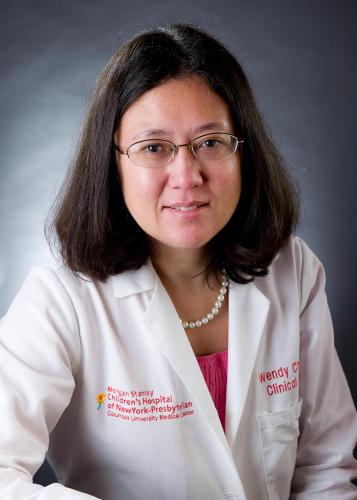
Wendy Chung, MD, PhD
Boston Children’s Hospital/Harvard Medical School
Dr. Wendy Chung is a clinical and molecular geneticist, the Physician in Chief and the Chair of Pediatrics at Boston Children’s Hospital and the Mary Ellen Avery Professor of Pediatrics at Harvard Medical School. She received her B.A. in biochemistry from Cornell University, her M.D. from Cornell University Medical College, and her Ph.D. from The Rockefeller University in genetics. Dr. Chung directs NIH funded research programs in human genetics of obesity, breast cancer, pulmonary hypertension, autism, and birth defects including congenital diaphragmatic hernia and congenital heart disease. She leads the GUARDIAN genomic newborn screening study. She has authored over 800 peer reviewed papers and 75 reviews and chapters in medical texts. She was the recipient of the American Academy of Pediatrics Young Investigator Award, the Medical Achievement Award from Bonei Olam, a career development award from Doris Duke and the NY Academy of Medicine Medal for Distinguished Contributions in Biomedical Science. Dr. Chung is renowned for her teaching and mentoring and received Columbia University’s highest teaching award, the Presidential Award for Outstanding Teaching. She was the original plaintiff in the Supreme Court case that overturned the ability to patent genes and served on the Institute of Medicine Committee on Genetic Testing. Dr. Chung enjoys the challenges of genetics as a rapidly changing field of medicine and strives to facilitate the integration of genetic medicine into all areas of health care in a medically, scientifically, and ethically sound, accessible, and cost effective manner.

Jennifer L. Cohen, MD, PhD
Duke University
Dr. Cohen is an Assistant Professor of Pediatrics in the Division of Medical Genetics at Duke University. She attended Yale College and then received her MD from the Icahn School of Medicine at Mount Sinai in NYC. She completed a combined residency program at the Children’s Hospital of Philadelphia in Pediatrics and Medical Genetics, before joining the faculty at Duke in 2019. Her research interests and expertise are in perinatal genetic medicine with a current focus on earlier diagnosis and management of rare genetic diseases. She is actively involved in gene therapy trials for lysosomal storage diseases and has been integral to the success of an ongoing clinical trial for prenatal treatment of lysosomal storage diseases. Dr. Cohen aims to leverage public health genomics for the early and equitable delivery of gene-directed therapies to patients with treatable genetic conditions. She continues to develop prenatal clinical trials and novel methods to diagnose and treat genetic diseases before birth.

Sandra Darilek, MS, CGC, LCGC
Baylor College of Medicine
Sandra Darilek is a board-certified and licensed genetic counselor who has worked in reproductive genetics for over 20 years. She is an Associate Professor in the Department of Molecular and Human Genetics and Obstetrics and Gynecology at Baylor College of Medicine. Ms. Darilek is co-manager of the Prenatal Genetic Counseling Service at Baylor College of Medicine and Texas Children’s Hospital and is chief of the Baylor College of Medicine Consultagene Clinic. She specializes in providing reproductive genetic counseling for patients seeking preconception, prenatal, fertility and preimplantation genetic testing. In addition to her clinical responsibilities, Ms. Darilek is actively involved in the training and supervision of genetic counseling students at Baylor College of Medicine, as well as providing lectures for several other genetic counseling programs. She is also involved in the training of MFM, REI and medical genetics fellows at Baylor College of Medicine and Texas Children’s Hospital. She has served on the Board of Directors for the National Society of Genetic Counselors and Texas Society of Genetic Counselors and is also actively involved in the American College of Medical Genetics and Genomics and American Society of Reproductive Medicine. She is passionate about patient access to reproductive healthcare and genetic counseling.

Lorraine Dugoff, MD
University of Pennsylvania
Dr. Lorraine Dugoff is a Professor of Obstetrics and Gynecology at the University of Pennsylvania. She is board-certified in Maternal-Fetal Medicine and Clinical Genetics and is the Director of the Division of Reproductive Genetics at the University of Pennsylvania. Dr. Dugoff is a co-investigator for the University of Pennsylvania MFMU, the site PI for the CHAP trial and the PI for several clinical trials focused on the application of emerging genetic technologies to clinical care.
She served on the SMFM Board of Directors and is currently the Chair of the SMFM Document Review Committee and the liaison for the ACOG Committee on Genetics. She is the co-director of the Reproductive Screening Special Interest Group for the International Society of Prenatal Diagnosis as well as vice-president and a board member for the Perinatal Quality Foundation.

Michael Duyzend, MD, PhD
Boston Children’s Hospital and the Broad Institute
Dr. Michael Duyzend is an attending physician in Genetics and Genomics at Boston Children’s Hospital, where he sees patients in the Fetal Care and Surgery Center, and a research fellow at the Broad Institute. He has a particular interest in understanding the genomics of the developmental continuum and genetic modifiers using both computational and experimental approaches. His current work revolves around understanding the spectrum of variation present with anomalies during pregnancy (stillbirth and structural differences), comprehensive non-invasive prenatal screening, and the standardization and integration of phenotype and genotype data. He serves on the editorial board of the Journal of Pediatrics and is a co-leader of the Fetal Genomics Consortium. Dr. Duyzend is motivated by the potential of genomic medicine and driven by the success and challenges of unlocking the utility of genomics for all in an expeditious, effective, just, reasoned, and sound manner.
Jessica Fairey, MS, CGC
Prisma Health
Jessica Fairey is a genetic counselor with Prisma Health, primarily seeing prenatal patients within the Maternal Fetal Medicine department as well as select adult cases. Jessica is also a Clinical Assistant Professor and Assistant Director for Fieldwork for the University of South Carolina Genetic Counseling Program. In addition to academic and clinical responsibilities, she actively participates on the Research and Quality Outcomes Committee for the National Society of Genetic Counselors. Jessica is most interested in outcomes of uninformative or atypical findings on noninvasive prenatal screening and enjoys educating and supporting her patients as they navigate these complex results.

Cori Feist, MS, CGC
Oregon Health & Science University
Cori Feist is a board-certified genetic counselor with 20 years’ experience providing pre-conceptual and prenatal genetic counseling services at Oregon Health & Science University (OHSU) in Portland, Oregon. She serves as the genetic counselor in the OHSU Doernbecher Children’s Hospital Fetal Therapy Program and specializes in caring for families expecting babies with birth defects and genetic disorders as they transition from pregnancy to the newborn period. She enjoys building long-term relationships with families and supporting and advocating for her patients. Cori is also active in education and policy making at the state and national levels and hold several leadership positions within the National Society of Genetic Counselors.

Rebecca Freeman, MS, LCGC
University of California, San Francisco
Rebecca Freeman is a licensed and board-certified genetic counselor who specializes in rare genetic disease, particularly in prenatal and neonatal settings. She provides genetic counseling services at the UCSF Fetal Treatment Center in Oakland, California. She is passionate about expanding access to advanced genomic medicine, particularly genome sequencing, for patients with fetal complications in the East Bay Area. In addition to her clinical responsibilities, she has a special interest in education and outreach. She is a research advisor and clinical instructor with the UCSF Genetic Counseling Graduate Program and also works with medical students, residents and fellows. She has served in various leadership positions with the National Society of Genetic Counselors and has acted as an advisor to commercial laboratories and the California Department of Public Health.

Stephanie Galloway, MS, CGC
Columbia University
Stephanie Galloway is a genetic counselor at Columbia University Irving Medical Center with the department of Women’s Genetics. She counsels women and families throughout their family planning journey, working with CUIMC’s high risk fetal Center for Prenatal Pediatrics as well as Columbia University Fertility Center. Stephanie is active in all levels of medical providers genetics training, through supervising learners, providing lectures for residents, as well as updating practitioners on new standards or technologies.
Kelly Gilmore, MS, CGC
University of North Carolina at Chapel Hill
Kelly Gilmore is a board-certified genetic counselor at University of North Carolina Chapel Hill (UNC). She graduated from University of North Carolina at Greensboro’s genetic counseling program in 2002. She is a clinical prenatal genetic counselor and has a special interest in the diagnosis of fetal genetic conditions through exome or genome sequencing. She has been the study coordinator for a fetal exome sequencing study at UNC since 2015 and is currently the study coordinator for a multi-center prenatal genome sequencing study. She has co-authored several publications on prenatal exome sequencing, counseling challenges, and parental perceptions of this technology.

Jessica L. Giordano, MS, CGC
Columbia University Irving Medical Center
Jessica Giordano is an ABGC board-certified genetic counselor and assistant professor of genetic counseling with 13+ years of clinical, research, and industry related experience in prenatal genetic counseling and testing. In her clinical work, she has witnessed how non-invasive aneuploidy screening, diagnostic testing via microarray, and pan-ethnic screening has transformed prenatal practice, making complex genetics test part of primary obstetrical practice. Recently, she successfully led Columbia’s fetal exome sequencing study published in Lancet, the stillbirth exome study published in the NEJM, and is the primary manager for the NICHD multi-center study PrenatalSEQ, aiming to study the use of genomic sequencing in pregnancy to change post-natal management. In these research roles, she consents patients, curates variants, and assesses genotype-phenotype correlations with the goal of ultimately communicating results to patients to impact clinical management. Additionally, Jessica has been integral to the recent development and launch of Columbia’s new Genetic Counseling Graduate Program and currently serves as a course director and scholarly projector mentor to their graduate students.

Nina B. Gold, MD
Massachusetts General Hospital
Dr. Gold is an Assistant Professor of Pediatrics and the Director of Prenatal Medical Genetics and Director of Metabolism at Massachusetts General Hospital. Her research investigates the use of population-based genetic screening to identify treatable genetic disease across the lifespan. Her most recent work focuses on identifying genetic disorders treatable in fetuses and examining the penetrance of genomic variants associated with childhood diseases in undiagnosed adults. She received her MD from Harvard Medical School, completed a combined pediatrics and medical genetics residency at Boston Children’s Hospital, and completed a fellowship in medical biochemical genetics at the Children’s Hospital of Philadelphia.

Francesca Romana Grati, PhD
TOMA Advanced Biomedical Assays S.p.A., Impact Lab
Dr. Francesca Romana Grati is a Biologist, Clinical Laboratory Geneticists with a master’s degree in human Pathology and Heredity. She is Chief Scientific Officer at TOMA Advanced Biomedical Assays S.p.A. , Impact Lab (Busto Arsizio, Italy).
She is currently contracting Professor at the Postgraduate Specialization school in medical genetics, Laboratory Technology SIG chair at International Society for Prenatal Diagnosis and therapy (ISPD), Chair of the Cytogenetics and cytogenomics working party of the Italian Society of Human Genetics (SIGU) and member of the editorial board of Prenatal Diagnosis journal. From 2016 to 2020 she was Member of Board of Directors at ISPD. She’s also an Advisory Board Member for Roche and Menarini Biomarkers.
Dr. Grati’s special interests are in prenatal diagnosis and fetal genetics. Her research is mainly focused on the understanding of the epidemiology of chromosome abnormalities in prenatal population, epigenetics of placenta, feto-placental mosaicisms and their impact on pre-implantation genetic screening, prenatal diagnosis, and non-invasive prenatal testing. She is also committed to the evaluation of new clinical technologies, their setup and validation and implementation of clinical laboratory guidelines in practice as she believes that the education on Quality in the laboratories could reduce inequalities in care across the NHS. In 2011 she was consultant for the European Joint Research Community (JRC) on a project for the harmonization of genetic and genomic technologies through EU. Dr. Grati has published extensively in the area of prenatal diagnosis and cfDNA-based screening, has served on committees that establish national prenatal care policy. She is an invited speaker at national and international scientific meetings and she also serves as a regular reviewer for numerous international journals, including JAMA, Prenatal Diagnosis, Ultrasound in Obstetrics and Gynecology.

Kathryn J. Gray, MD PhD
University of Washington
Associate Professor, Division Chief, and Director of Research in Maternal-Fetal Medicine at the University of Washington. Clinically, Dr. Gray works in high-risk obstetrics and reproductive genetics. Dr. Gray leads a research group at the University of Washington focused on using genetics and other translational research tools to understand the mechanisms underlying adverse pregnancy outcomes and to advance prenatal screening and diagnosis. To further understanding of preeclampsia genetics, she led the creation of the NIH-NHLBI funded TOPMed Boston-Colombia Collaborative for Adverse Outcomes (BCC-PREG) cohort, with whole genome sequencing on >14,000 maternal-offspring samples and other omic profiling on maternal samples in pregnancy prior to the development of preeclampsia. Dr. Gray leads the Washington Pregnancy Biorepository (WPR), an obstetric biobanking project at the University of Washington. She is also a founding member of the international fetal genomics consortium (iFGC; fetalgenomics.org) that aims to use genomics to advance care during and following pregnancy— this includes understanding genetic variation associated with fetal anomalies and stillbirth and aggregating fetal genomic datasets with associated phenotypes for the obstetric research and clinical communities. Finally, Dr. Gray is interested in advancing tools for prenatal genetic screening, including information available from cell-free DNA present in the maternal circulation. Overall, her research group aims to use translational approaches to advance pregnancy biology and diagnostic tools.

Nina Harkavy, ScM, CGC
Columbia University
Nina Harkavy is an ABGC-certified genetic counselor practicing within the fields of Maternal-Fetal Medicine and Reproductive Endocrinology. She received her undergraduate degree in Psychology from Vassar College and her Master of Science degree from the Johns Hopkins University/National Human Genome Research Institute Genetic Counseling training program in 2015. Nina has worked as a reproductive/prenatal genetic counselor throughout her career, with additional interest in assisted reproductive technology and preconception counseling. She is currently a lecturer, fieldwork supervisor, and Clinical Encounters course facilitator for the Columbia University Genetic Counseling Graduate Program.

Thomas Hays, MD, PhD
Columbia University Irving Medical Center
Dr. Thomas Hays is a neonatologist specializing in the care of critically ill infants and newborns. His research interests include the genetic basis of congenital diseases, particularly anomalies of the kidneys, and how genetic diagnostic technology can be used to improve the care of infants, and to help them and their families.

Ginger Hocutt, MS, CGC
University of North Carolina at Chapel Hill
Ginger Hocutt received her B.S. in Microbiology with a minor in Genetics from North Carolina State University in 2009; her Master of Genetics from North Carolina State University in 2011 and her M.S. in Genetic Counseling from The University of South Carolina in 2013, where she received the S. Robert Young Outstanding Genetic Counselor award. Hocutt obtained board certification and become a board-certified genetic counselor in 2014.
Hocutt is currently a clinical instructor in Maternal-Fetal Medicine. In her role, she provides reproductive genetic counseling services for a variety of indications including preconception, advanced maternal age, positive maternal serum screening results, family and pregnancy history concerns, and ultrasound anomalies. Hocutt currently serves as a co-lead supervisor for genetic counseling trainees. She is also the genetic counselor liaison for the UNC Spina Bifida Fetal Care program. Hocutt’s current areas of interest include preconception counseling and provider/resident genetic education.
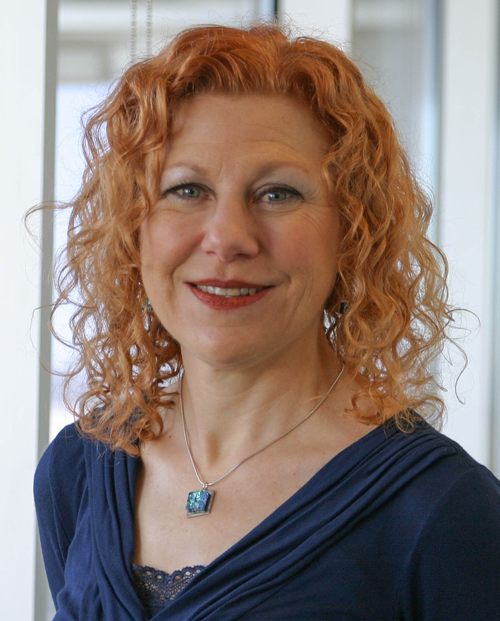
Katherine M. Hyland, PhD
UC San Francisco
Dr. Katherine M. Hyland is a Professor in the Department of Biochemistry and Biophysics and the Institute for Human Genetics at the UCSF School of Medicine. Her primary roles are in health professions education and faculty development. Dr. Hyland received a BS in Biochemistry from Virginia Tech, an MS in Molecular Cytogenetics from Rutgers University, and a PhD in Human and Molecular Genetics from Johns Hopkins University. She completed postdoctoral training at the University of British Columbia, Centre for Molecular Medicine and Therapeutics, and the UCSF Comprehensive Cancer Center. In her current position, she teaches genetics, molecular biology and biochemistry, emphasizing clinical applications of foundational sciences using innovative educational modalities. She directs the medical genetics and genomics curriculum in the School of Medicine, and Chairs the Medical Genetics Curriculum Committee and the Institute for Human Genetics Education Committee. She has been actively involved in designing and implementing the UCSF Bridges medical curriculum. Dr. Hyland is active member in the Haile T. Debas Academy of Medical Educators and leads Faculty Development workshops both at UCSF and as well as nationally and internationally. She served as the inaugural Chair of the Medical Genetics Course Directors group in the Association of Professors of Human and Medical Genetics (APHMG), led an effort to develop national competencies in medical genetics, and currently serves as Secretary/Treasurer in the APHMG Leadership Council. She is also an active a member of the International Association of Medical Science Educators (IAMSE), the American Society of Human Genetics (ASHG), the Association of Biochemistry Educators (ABE), the Western Group on Educational Affairs (WGEA), and the Inter-Society Coordinating Committee for Practitioner Education in Genomics (ISCC). Her current educational interests include encouraging students to engage in curiosity and the process of discovery, applying the concept of cognitive integration, and incorporating an integrated approach to genomic medicine in the training of future and current physicians.

Lauren Isley, MS, CGC
Generate Life Sciences
Lauren Isley is a genetic counselor by training and after graduating with a Master’s of Science in Genetic Counseling degree from Wayne State University in Detroit, MI, she began her career in the field of assisted reproductive technology, where she has practiced for the past decade. Her various roles include pre-implantation genetic testing, gamete donor screening, and reproductive genetic testing. Across these multiple roles, Lauren has focused on educating healthcare providers about reproductive genetics. She is currently a Medical Science Liaison at Generate Life Sciences, the parent company for California Cryobank, Donor Egg Bank USA, and Cord Blood Registry. Lauren has published several papers and abstracts related to genetic testing and gamete donors and spoken at multiple national conferences on these topics. Lauren previously served as Chair for the Genetic Counseling Professional Group of the American Society of Reproductive Medicine (ASRM) and Co-Chair of the Assisted Reproductive Technology and Infertility Special Interest Group of the National Society of Genetic Counselors.
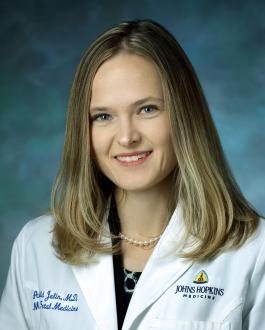
Angie Jelin, MD
Johns Hopkins University
Dr. Angie Jelin is the Program Director for the Maternal Fetal Medicine Fellowship and an associate professor in the Johns Hopkins Medicine Department of Gynecology and Obstetrics and Department of Genetic Medicine. Her areas of clinical expertise include prenatal genetic counseling, fetal imaging, chorionic villus sampling and amniocentesis, with a focus on fetal complications in pregnancy. Her research focuses on the evaluation of genetic etiologies of skeletal and urogenital disorders.
Dr. Jelin earned her medical degree from Harvard Medical School. She did her residency in obstetrics and gynecology at the University of California, San Francisco, and then remained there to complete a maternal-fetal medicine and genetics fellowship. She holds three board certifications in obstetrics and gynecology, maternal-fetal medicine, and clinical genetics.

Vaidehi Jobanputra, MS, PhD
Columbia University
Dr. Jobanputra is a clinical cytogeneticist and molecular geneticist recognized as an expert in sequencing technologies and their clinical implementation. Her work focuses on applying genome sequencing to rare disease diagnosis, reproductive genetics, and preimplantation genetic testing. She has led the development of clinical genomics laboratories at Columbia University Irving Medical Center and the New York Genome Center, where she directed the validation and launch of exome, genome, and transcriptome sequencing for both constitutional and oncologic testing.
She serves as a co-investigator in the NIH Undiagnosed Diseases Network and previously chaired the steering committee of the Medical Genome Initiative. Dr. Jobanputra has authored more than 100 peer-reviewed publications. She earned her PhD in Genetics from the All India Institute of Medical Sciences, New Delhi, and an MS in Biostatistics from Columbia University. She is board-certified by the American Board of Medical Genetics and Genomics in Clinical Cytogenetics and Clinical Molecular Genetics and is a Fellow of the American College of Medical Genetics and Genomics.

Ellen Johnson, MGCS, CGC
Sanford Health
Ellen Johnson is a board-certified genetic counselor at the Sanford Reproductive Medicine Clinic. Since receiving her Master’s degree in Genetic Counseling from the University of Wisconsin Madison, Ellen has practiced exclusively in the setting of assisted reproductive technology and infertility. In her clinical role, Ellen counsels patients regarding preimplantation genetic testing, recurrent pregnancy loss, and genetic causes of infertility. Ellen is the current Co-Chair of the Assisted Reproductive Technology and Infertility Special Interest Group of the National Society of Genetic Counselors.

Stephen F. Kingsmore, MD, DSc
Rady Children’s Institute for Genomic Medicine
Dr. Stephen F. Kingsmore is President and CEO of Rady Children’s Institute for Genomic Medicine where he leads a multi-disciplinary team of researchers and clinicians. They specialize in the fastest use of Whole Genome Sequencing (WGS) to identify rare genetic disorders and help critically-ill newborns and children in intensive care receive Rapid Precision Medicine (RPM®).
Dr. Kingsmore’s team has published studies demonstrating that using rapid WGS as a first-line test in the NICU can improve the care experience for patients, families and clinicians while also reducing the cost of care. In 2018, the State of California awarded Rady Children’s $2 million to implement Project Baby Bear, the first publicly-funded program offering whole genome sequencing to critically-ill infants.
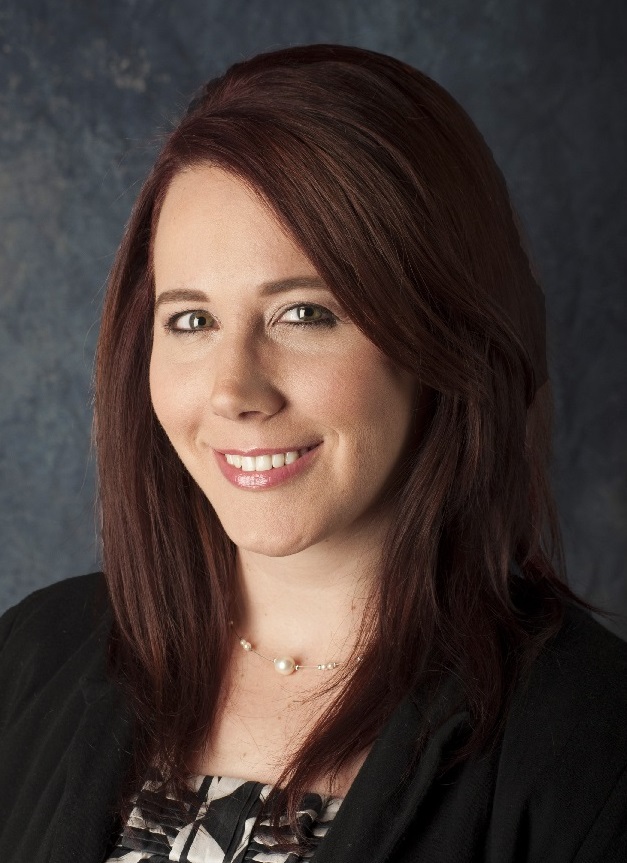
Barbie Klein, PhD, MS
UC San Francisco
Dr. Barbie Klein is an Assistant Professor with joint appointments in the Department of Anatomy in the School of Medicine and the Department of Cell and Tissue Biology in the School of Dentistry at the University of California, San Francisco. Dr. Klein teaches gross anatomy, embryology, histology, and neuroanatomy to health professional students and continuing education learners. She is the Discipline Director for the pelvic/perineum anatomy and human embryology content for medical students and Co-director of the Biomedical Sciences curriculum for dental students. Her research explores innovations in curriculum development, instructional design, and the use of technology to improve anatomy education.
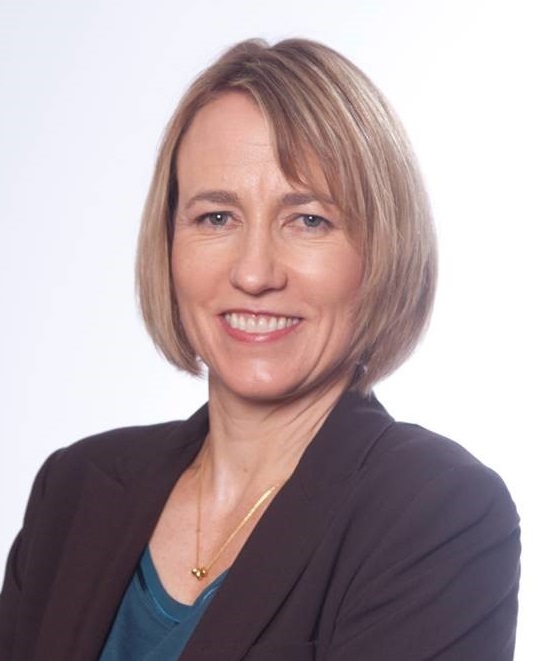
Ruth B. Lathi, MD
Stanford University
Dr. Ruth Lathi is the director of REI Fellowship program, director of research for the REI division and the Recurrent Pregnancy Loss Program at Stanford School of Medicine. Her primary scholarly interests are evaluation and treatment of women with recurrent pregnancy loss, the role of pre-implantation genetic diagnosis in the treatment of reproductive disorders, and the prognostic value and utility of genetic testing of miscarriage tissues, and long-term outcomes of fertility treatments. Her background is in genetics with a growing interest in the role of genetics and pre-implantation genetic diagnosis of embryos for couples at risk for offspring with genetic disorders. The application of this technology has the power to greatly reduce the risk of having a child with a genetic disorder. She is also interested in the effects of obesity on fertility and pregnancy outcomes.
Dr. Lathi completed undergraduate education at MIT, attended medical school at UCSF and residency at Baylor College of Medicine in Houston. She completed subspecialty training at Stanford, then stayed on as faculty.
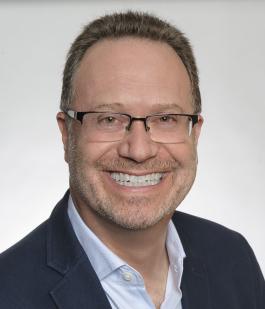
Brynn Levy, MSc (Med), PhD
Columbia University
Dr. Brynn Levy is a Professor of Pathology and Cell Biology at the Columbia University Medical Center. He is also the Director of the Clinical Cytogenetics Laboratory of the New York Presbyterian Hospital and a Co-Director of the Division of Personalized Genomic in the Department of Pathology & Cell Biology. Dr. Levy is regarded internationally as an expert in the clinical utility of genomic technologies in reproductive medicine. He has authored multiple book chapters and publications on molecular genetics, clinical cytogenetics and molecular cytogenetics and lectured internationally about his experience utilizing CGH and high resolution SNP microarrays both as a clinical and research tool. His research areas of interest include early prenatal screening using fetal cells and cell-free fetal DNA from maternal circulation, PGD and the etiology of recurrent miscarriage. Dr. Levy was a Co-Investigator of the Multicenter NICHD study that investigated the use of microarrays for prenatal diagnosis and was the Columbia University site Principal Investigator of a NIH-funded study from the Stillbirth Collaborative Research Network (SCRN) that assessed CNVs in stillbirths. Dr. Levy is the past President of the Cancer Genomics Consortium (GCC) and was the PI at Columbia University Medical Center for the GCG Multi-center Quality Control trial that performed cross-platform validation of cytogenomic arrays for cancer diagnostics. Dr. Levy currently serves as the Genetics and Genomics Section Editor for the journal Prenatal Diagnosis.

Billie Lianoglou, MS, LCGC
UC San Francisco
Billie Lianoglou is a genetic counselor who specializes in prenatal care. She works closely with perinatologists to educate families on potential genetic risks for fetal abnormalities or complications. Billie splits her time between working with families at the UCSF Fetal Treatment Center and supporting the research of genetic specialists Dr. Mary Norton and Dr. Teresa Sparks at the UCSF Center for Maternal-Fetal Precision Medicine. This research explores the value of prenatal whole exome sequencing in the setting of fetal anomalies and complications including non-immune hydrops fetalis.

Carly Kenyon, MS, CGC
UC San Francisco
Carly Kenyon is a genetic counselor at the UCSF Prenatal Diagnostic Center and works with preconception and prenatal patients. She has been in this field for about seven years and enjoys helping patients navigate the complexities of genetic testing, particularly given the increasing accessibility of new technologies (expanded carrier screening, cell free DNA screening, whole exome sequencing, etc).

Tippi MacKenzie, MD
UC San Francisco
Dr. Tippi MacKenzie is a pediatric and fetal surgeon who is focused on developing better ways to diagnose and treat genetic diseases before birth. She runs a translational research lab examining fetal immunology and maternal-fetal tolerance, with the ultimate goal of inventing new fetal therapies for patients with genetic diseases or pregnancy complications. She is the Principal Investigator on the world’s first Phase 1 clinical trial to perform in utero hematopoietic stem cell transplantation to treat fetuses with alpha thalassemia. Her research has been supported by the National Institutes of Health, the March of Dimes, the California Institute for Regeneration Medicine, and the Burroughs-Wellcome Fund. Tippi has been awarded the Jacobson Award by the American College of Surgeons for her innovative work.
Tippi trained in classical piano at Juilliard before obtaining her undergraduate degree from Harvard College and her medical degree from Stanford University. She completed her surgical residency at Brigham and Women’s Hospital in Boston and obtained additional fellowships in Fetal Surgery and Pediatric Surgery at the Children’s Hospital of Philadelphia. She joined the faculty at the University of California, San Francisco in 2007 and is now a Professor of Surgery. In addition to her clinical practice, she is also a member of the Eli and Edythe Broad Institute for Regeneration Medicine and the Biomedical Sciences Program. She co-founded the Center for Maternal-Fetal Precision Medicine, with the aim of accelerating the processes that link basic research to clinical trials to improve maternal, fetal, and neonatal health. This Center is testing methods to improve prenatal diagnosis of birth defects and developing new cellular and molecular therapies for definitive fetal treatment.

Savanie Maithripala, MSc, LCGC
Reproductive Genetic Innovations
Savanie Maithripala is a licensed and board-certified genetic counselor. She has provided ART related genetic counseling in both the clinical and laboratory setting and currently provides PGT genetic counseling services at Reproductive Genetic Innovations. Savanie pursued her undergraduate education at Queens University in Canada, where she earned a Bachelor of Science with Honors in Biology. She earned a Master of Science in Genetic Counseling at the University of British Columbia where she pursued her thesis work in PGT-SR. Savanie has a avid research interest in PGT-SR outcomes and novel approaches to PGT-M.

Tracy A. Manuck, MD, MSCI
University of North Carolina
Dr. Tracy A. Manuck is a tenured Associate Professor in the Department of Obstetrics and Gynecology at the University of North Carolina – Chapel Hill in the Division of Maternal-Fetal Medicine, where she serves as Medical Director of the Prematurity Prevention Program. Dr. Manuck is also the Perinatal Section Head of the Institute for Environmental Health Solutions.
Dr. Manuck completed her Maternal-Fetal Medicine Fellowship at the University of Utah. She is a 2-time award winner of the National March of Dimes award for the Best Research in Prematurity and is nationally renowned for her work. Dr. Manuck has served on multiple Society for Maternal Fetal Medicine committees and special task forces. Her clinical interests and expertise include preterm labor, cervical insufficiency, preterm premature rupture of membranes, and preeclampsia. She specializes in providing care for women at highest risk for preterm birth, including those with multiple previous preterm deliveries and preterm deliveries prior to fetal viability. Dr. Manuck also has expertise and passion for investigations of health disparities as they relate to preterm birth and perinatal outcomes, including the impact of environmental exposures on health inequities in obstetrics. She is a passionate mentor and actively involved with the research education and mentorship of medical students, residents, fellows, and junior faculty.

Anne Mardy, MD
UT Austin Dell Medical Center
Dr. Mardy is a Maternal Fetal Medicine and Medical Genetics specialist. She attended medical school at Columbia University College of Physicians and Surgeons, where she learned about genetics in medicine from Dr. Wendy Chung for the first time. She completed residency in Obstetrics and Gynecology at Columbia University Medical Center, and was inspired by Dr. Ronald Wapner to pursue a joint fellowship in MFM and Genetics. She completed a fellowship in MFM and Genetics at UCSF. She is passionate about teaching students, residents and fellows about topics in prenatal genetics and has a research interest in diagnostic utilities of prenatal diagnosis.

Kimberly Martin, MD
University of St. Louis, Retired
Dr. Martin is a retired, board-certified obstetrician and clinical geneticist. She was a faculty member at UC Irvine, Washington University in St. Louis and St. Louis University schools of medicine and also had experience in private practice. After twenty years of clinical practice, she joined Medical Affairs at Natera, Inc. and retired as Vice President of Women’s Health. Her lifelong professional interests centered around patient and provider education, advocacy for women’s reproductive health and research, resulting in peer-reviewed publications, book chapters and speaking engagements.

Stephanie Meredith, MA, DrPH
Genetic Support Foundation
Dr. Stephanie Meredith is the Development Director and Supervisor of the Lettercase National Center for Prenatal and Postnatal Resources at the non-profit Genetic Support Foundation. She also works as LEND Family Faculty at the University of Kentucky. She is the author of multiple nationally recommended resources about genetic conditions for new and expectant parents and publishes research on diagnosis experiences and support strategies for patients learning about prenatal diagnoses. She has been offering support for new and expectant parents and training for doctors on how to sensitively deliver a diagnosis for nearly 20 years, and she has a doctorate in Public Health with a focus on disability and health policy. Additionally, she is mother to a young adult son who has Down syndrome and two younger daughters.

Thomas J. Musci, MD
Menarini Silicon Biosystems
Dr. Thomas Musci is board certified in maternal-fetal medicine and clinical genetics and spent 22 years on faculty at the University of California, San Francisco. He has served as Chief Medical Officer at Ariosa Diagnostics / Roche Diagnostics where he was instrumental in leading the introduction of non-invasive prenatal testing using cell-free DNA technology. Prior to that role he was Director of Clinical Affairs at Novartis Diagnostics (Predictive Health Franchise). He is currently Chief Medical Officer and Head of the Reproductive Precision Medicine Unit at Menarini Silicon Biosystems (Italy and U.S.)
Dr. Musci has served as the Chair of the Genetics Committee for the American Congress of Obstetricians and Gynecologists (ACOG) and a member of the Professional Practice Guidelines Committee for the American College of Medical Genetics. Dr. Musci earned his medical degree at the Georgetown University School of Medicine and completed his Obstetrics and Gynecology residency, Maternal-Fetal Medicine fellowship, Medical Genetics Fellowship, and post-doctoral fellowship in Molecular Developmental Biology all at UCSF.
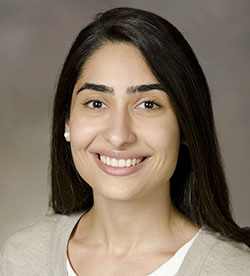
Paulina Nassab, MS, CGC
Igenomix
Paulina Nassab is a board-certified genetic counselor specializing in reproductive genetic counseling and preimplantation genetic testing. She completed her graduate training in genetic counseling at California State University – Stanislaus and initially began her career as a prenatal genetic counselor at an academic medical center. Paulina has since been practicing in the field of assisted reproductive technology and is currently the senior genetic counseling manager at Igenomix, where she provides support and education to patients and clinicians on the rapidly evolving field of reproductive genetics. She is a past co-chair of the Assisted Reproductive Technology and Infertility Special Interest Group of the National Society of Genetic Counselors.
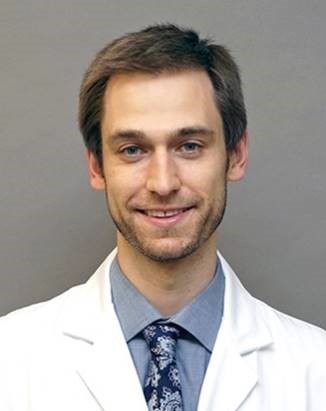
Christian Parobek, MD, PhD
Brown University & Women and Infants Hospital of Rhode Island
Dr. Christian Parobek is a PGY4 OB/GYN resident at Brown University & Women and Infants Hospital of Rhode Island. His research focuses on prenatal genetic privacy and emerging prenatal genetic technologies. He is particularly interested in how pregnant patients understand and respond to their genetic screening and genetic testing results. He will begin an MFM and Clinical Genetics fellowship at Baylor in 2022.

Elvira Parravicini, MD
New York Presbyterian Morgan Stanley Children’s Hospital
Dr. Elvira Parravicini is a neonatologist at New York Presbyterian Morgan Stanley Children’s Hospital, Professor of Pediatrics and Medical Director of the Neonatal Comfort Care Program at Columbia University Irving Medical Center in New York, NY. She completed her Pediatric residency at New York University in 1997 and her Neonatal fellowship at Columbia University in 2001.
Dr. Parravicini believes each baby’s life is precious and should be welcomed and cherished. She is committed to giving babies a better chance toward healthy life, when recovery is possible, and to improving their quality of life through the most challenging conditions. Her passion for helping the most fragile patients in the neonatal population inspired Dr. Parravicini to create a unique and innovative program for infants affected by life-limiting or terminal conditions. The Neonatal Comfort Care Program (www.neonatalcomfortcare.com) established in 2008, addresses the complex medical and non-medical needs of infants and their families. The interdisciplinary Neonatal Comfort Care team supports expectant mothers of babies diagnosed with a life-limiting condition during the perinatal journey, from diagnosis to delivery and beyond.

Alice B. Popejoy, PhD
Stanford University
Dr. Alice B. Popejoy is a computational biologist with a PhD in Public Health Genetics and a Certificate in Statistical Genetics from the University of Washington. Dr. Popejoy’s research is situated at the intersections of computational genomics, human population genetics, clinical genetics, and bioethics in the Department of Biomedical Data Science and the Center for Biomedical Ethics at the Stanford University School of Medicine. She is also involved in several NIH-funded consortia, including the Clinical Genome Resource (ClinGen) and Clinical Sequencing Evidence-generating Research (CSER), and is Co-Chair of the Ancestry & Diversity Working Group and Chair of the Data Access, Protection, and Confidentiality Working Group.
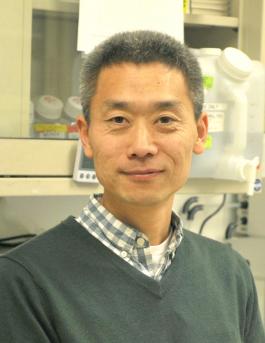
Joe Qi, PhD
UC San Francisco
Dr. Joe Qi is an American Board of Medical Genetics and Genomics (ABMGG) certified Clinical Cytogeneticist, and Associate Clinical Professor in the Department of Laboratory Medicine at UCSF. He is Assistant Director of UCSF Clinical Cytogenetics Lab, responsible for clinical cytogenetic case sign-out and new clinical test development in the lab. His research interests include genomic and epigenetic study of chromosome changes in cancer and constitutional genetic disorders and in stem cells.
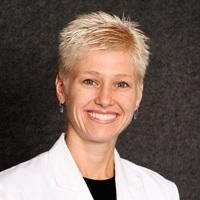
Britton D. Rink, MD
Mount Carmel Health
Dr. Britton Rink is Director of Medical Genetics in the Mount Carmel Health System, Columbus, Ohio. She is dual board certified in Maternal Fetal Medicine and Genetics and maintains a practice in both subspecialties. Dr. Rink is the Chair of the ACOG Committee on Genetics after serving on the committee for several years and most recently as the Vice Chair. She has particular interest in prenatal diagnosis, advanced fetal imaging, fetal therapy and recurrent pregnancy loss. Dr. Rink has authored several book chapters and publications on genetic testing and screening in pregnancy. She resides in Columbus, Ohio with her husband and four children.

Heidi L. Rehm, PhD, FACMG
Massachusetts General Hospital
Heidi Rehm is an investigator in the Center for Genomic Medicine and Chief Genomics Officer at Massachusetts General Hospital, working to integrate genomics into medical practice. She is a board-certified laboratory geneticist and Chief Medical Officer of Broad Clinical Labs guiding genomic testing in medical practice. She is a principal investigator of ClinGen, providing free resources to support the interpretation of genes and variants. Rehm also co-leads the Broad Center for Mendelian Genomics focused on discovering novel rare disease genes. She is a strong advocate and pioneer of open science and data sharing, working to extend these approaches through her role as Chair of the Global Alliance for Genomics and Health. Rehm is also a principal investigator of gnomAD, the Genome Aggregation Database, and the Broad All of Us Genome Center, generating genomic resources to fuel discovery.

Stephan Sanders, BMBS, PhD
UC San Francisco
Dr. Stephan Sanders trained as a pediatric physician in the UK before pursuing a research career in genomics and bioinformatics. His work has helped characterize the role of de novo mutation in the etiology of Autism Spectrum Disorder (ASD) and identified multiple ASD risk loci including duplications of the 7q11.23 William’s Syndrome region (Sanders et al. Neuron 2011) and mutations in the sodium channel gene SCN2A (Sanders et al. Nature 2012). His work on the integration of CNV and exome data across multiple ASD cohorts recently identified 71 ASD risk loci (Sanders et al. Neuron 2015). In addition, he worked as part of a group that integrated spatiotemporal gene expression data from the human brain with these ASD-associated genes (Willsey et al. Cell 2013). This approach has implicated deep layer glutamatergic neurons in the frontal cortex during mid-fetal development in the causation of ASD. His lab has three main research questions: 1) Understanding the genetic basis of childhood neurodevelopmental disorders, in particular ASD; 2) Understanding how these genetic factors lead to the disorders; and 3) Understanding the mechanism of that leads to the male bias in ASD diagnosis, in particular through identifying the biological basis of the female protective effect.
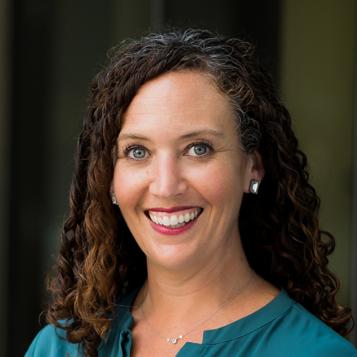
Allyson Scott, MS, CGC
UC San Francisco
Allyson Scott a genetic counselor at the UCSF Prenatal Diagnostic Center and is the Associate Director for the Graduate Program in Genetic Counseling at UCSF. During her 15 year career she has cared for a diverse patient population at both UCSF and the Zuckerberg San Francisco General Hospital. Allyson counsels all types of prenatal and preconception patients but specializes in hemoglobinopathies. She is a passionate educator, and regularly speaks to medical students, midwifery students, OB Gyn/Residents, MFM fellows and Genetics fellows.

Julia Silver, MS, LCGC
UC San Francisco
Julia Silver is a genetic counselor at the UCSF Prenatal Diagnostic Center. While Julia counsels a broad range of prenatal and preconception patients, she has a particular interest in working with pregnant women who have complex IVF histories or who personally have a diagnosis of a genetic condition. She has broad research interests ranging from investigating the benefits of mindfulness training for genetic counselors to exploring the utility of expanded carrier screening. Julia is passionate about education and serves as a mentor and teacher for genetic counseling, midwifery, and medical students.

Matthew A. Shear, MD
UC San Francisco
Matthew A. Shear, MD is a first-year fellow in medical genetics and genomics and maternal- fetal medicine at the University of California, San Francisco. Prior to fellowship he completed medical school at the University of Vermont followed by residency in Obstetrics and Gynecology at the Beth Israel Deaconess Medical Center in Boston.

Joe Leigh Simpson, MD
Florida International University
Professor Joe Leigh Simpson, MD, FACOG, FACMG, FRCOG, received his undergraduate and medical education at Duke University and his residency/fellowship at The New York Hospital/Cornell University Medical College. He is certified in Medical Genetics as well as in Obstetrics and Gynecology. His academic positions have included Northwestern University; Chair OBGYN at University of Tennessee, Memphis; Chair OBGYN at Baylor College of Medicine; and Founding Executive Associate Dean for Academic Affairs at Herbert Wertheim College of Medicine (HWCOM), Florida International University. From 2012-2018 he served as Senior Vice President for Research and Global programs at The March of Dimes, returning to HWCOM in 2018.
Dr. Simpson has made many discoveries and contributions in reproductive medicine, and in prenatal genetic diagnosis. He has written over 800 articles and chapters. He has co-edited seven editions of Obstetrics: Normal and Problem Pregnancies, and likewise three editions for Genetics in Obstetrics and Gynecology. Most recently he co-authored the 3rd edition of Practical Preimplantation Genetic Diagnosis. His research funding has included the National Institute of Child Health and Human Development, United States Agency for International Development, and the Department of Defense.
He has been President of the American Society for Reproductive Medicine, International Society of Prenatal Diagnosis, Society for Reproductive Investigation, American College of Medical Genetics and Genomics, International Federation of Fertility Societies and Preimplantation Genetic Diagnosis International Society. He is a member of the National Academies of Sciences, Engineering, and Medicine.
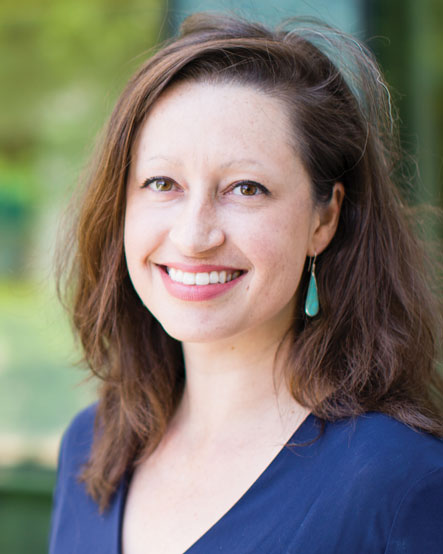
Teresa Sparks, MD, MAS
UC San Francisco
Dr. Teresa Sparks is a Maternal-Fetal Medicine specialist as well as a Clinical Geneticist. She attended medical school at the University of California, San Francisco; completed residency in Obstetrics & Gynecology at the Brigham & Women’s Hospital / Massachusetts General Hospital combined program; and completed a combined fellowship in Maternal-Fetal Medicine and Clinical Genetics at UCSF. She additionally earned a Masters of Advanced Study in Clinical Research from UCSF. Dr. Sparks cares for women who are either pregnant or considering a pregnancy, who are at higher risk for a variety of maternal and fetal reasons. She sees patients primarily in the Fetal Treatment Center and the Prenatal Diagnosis Center at UCSF. Dr. Sparks is also the PI of the multicenter HyDROPS study (Hydrops: Diagnosing and Redefining Outcomes with Precision Study), which aims to uncover the genetic etiologies leading to non-immune hydrops fetalis through exome sequencing, detailed phenotyping, and more targeted in utero care.

Erica Spiegel, MS, CGC
Columbia University
Erica Spiegel completed her genetic counseling training at the Icahn School of Medicine at Mount Sinai in 2006. She is an Assistant Professor of Genetic Counseling at Columbia University Department of OBGYN and is the course director for Reproductive Genetics at Columbia University Genetic Counseling Graduate Program. She counsels patients for a wide range of prenatal and preconception indications in both English and Spanish, and has been involved in numerous clinical research studies of emerging reproductive genetic technologies. Erica is passionate about providing high-quality care to women and families in the setting of fetal anomalies and genetic diagnoses. She is also involved in the training of MFM and Clinical Genetics fellows as well as medical students.

Blair Stevens, MS, CGC
UTHealth Houston
Blair Stevens is a board-certified genetic counselor who has provided prenatal genetic counseling services in the greater Houston area for the last 14 years. Ms. Stevens provides genetic counseling services at UTPhysicians’ Maternal Fetal Medicine clinics and The Fetal Center at Children’s Memorial Hermann Hospital where she helps families adjust to unexpected fetal diagnoses. In addition to clinical care, Ms. Stevens provides training and research mentorship to genetic counseling students at the University of Texas Genetic Counseling Program and MFM fellows at UT. She is also actively involved in the National Society of Genetic Counselors and has served in leadership positions on the Board of Directors, Public Policy Committee and the Prenatal Special Interest Group. Ms. Stevens is passionate about understanding clinical utility of reproductive genetic testing and has several publications on cfDNA screening and expanded carrier screening.
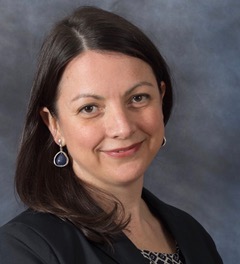
Katie Stoll, MS, CGC
Genetic Support Foundation
Katie Stoll is a genetic counselor and executive director of the nonprofit organization, Genetic Support Foundation (GSF). Katie received her Master’s degree in Genetic Counseling from Brandeis University in 2003. Since that time she has worked in a variety of clinical areas, including perinatal genetics, hereditary cancer, pediatrics and general genetics. In addition to clinical work at GSF, Katie is focused on developing resources and expanding access to up-to-date, patient-centered information regarding genetic testing.
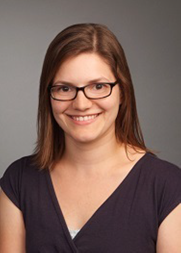
Kate Swanson, MD
Intermountain Health
Dr. Kate Swanson is an MFM/Geneticist who serves as the Medical Director for Maternal & Perinatal Genetics at Intermountain Health as well as the Grant Scott Bonham Fetal Center. She is also an assistant professor at UCSF and the University of Utah. Dr. Swanson completed OB/Gyn residency at Northwestern University, followed by combined MFM/Genetics fellowship at UCSF. Her clinical and research interests include pregnancies complicated by maternal and/or genetic conditions, and finding paths forward for future reproduction, including PGT and gestational surrogacy.

Ignatia B. Van den Veyver, MD
Baylor College of Medicine
Dr. Ignatia B. Van den Veyver is a Professor and Vice Chair of Research in the Department of Obstetrics and Gynecology and the Department of Molecular and Human Genetics in Houston, Texas. She is Division Director of Prenatal and Reproductive Genetics at Baylor College of Medicine and Texas Children’s Hospital, and a faculty member of the Texas Children’s Hospital Fetal Center. Her clinical translational research focuses on exploring novel genetic and genomic methods of prenatal genetic testing and the complexities of their integration into prenatal care with a specific interest in application of prenatal exomes and genomes, counseling for various new technologies. She oversees a research laboratory located in the Jan and Dan Duncan Neurological Research Institute where she performs translational and basic research on the molecular genetics and epigenetics of human developmental disorders and reproductive genetics and epigenetics. She has published extensively in these various fields and her research is funded by the NIH and private foundations. She is immediate past president of the International Society for Prenatal Diagnosis and an Associate Editor of the journal, Prenatal Diagnosis.
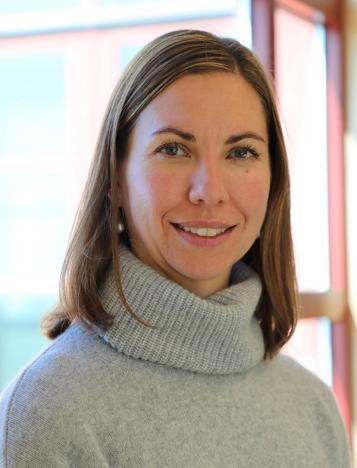
Jessica Van Ziffle, PhD
UC San Francisco
Dr. Jessica Van Ziffle is an American Board of Medical Genetics and Genomics laboratory geneticist and Professor in the Department of Pathology at UCSF. She is an active member of the UCSF Institute for Human Genetics. Her clinical and research interests include the development and implementation of clinical molecular genetic testing at the UCSF Clinical Cancer Genomics Lab and Genomic Medicine Lab. Molecular testing techniques include single gene testing, as well as highly multiplexed deep sequencing technologies. The aim of this testing is to identify therapeutic targets, clarify a patient’s diagnosis, or establish a patient’s molecular diagnosis. Of particular interest are the genomics of hematopoietic malignancies, the heritable causes of these malignancies, and the clinical utility of genome sequencing for inherited, or constitutional, diseases.

Mark C. Walters, MD
UCSF Benioff Children’s Hospital
Dr. Mark C. Walters is the Jordan Family Director of the Blood and Marrow Transplantation Program at UCSF Benioff Children’s Hospital, Oakland and Professor of Pediatrics at UCSF School of Medicine. He is Program Director of the California Institute of Regenerative Medicine alpha stem cell clinic at UCSF. Dr. Walters received his A.B. with honors in Genetics from the University of California, Berkeley and his MD from the University of California, San Diego. He completed pediatric residency training at the University of Washington and hematology/oncology fellowship training at the University of Washington and the Fred Hutchinson Cancer Research Center in Seattle. He was a junior faculty member in Seattle before matriculating to Oakland in 1999. He has been active in cooperative clinical transplantation trials and has led several NIH-supported investigations of hematopoietic cell transplantation for sickle cell anemia and thalassemia. He has authored or co-authored many publications with a focus on hematopoietic cell transplantation for hemoglobin disorders, and he has a research interest in extending transplantation to young adults with hemoglobin disorders and other novel cellular therapies for hemoglobin disorders. Currently, research interests are focused on genomic editing and gene addition therapies as a strategy to extend curative therapy in all patients who inherit a clinically significant hemoglobinopathy.

Michelle Wang, MD
Beth Israel Deaconess Medical Center and Boston Children’s Hospital
Dr. Michelle Joy Wang is a board-certified obstetrician-gynecologist and a clinical fellow in the combined Medical Genetics and Genomics and Maternal-Fetal Medicine training program at Beth Israel Deaconess Medical Center and Boston Children’s Hospital. She received her AB from Harvard College and her medical degree from the University of Alabama at Birmingham School of Medicine and completed her residency in obstetrics and gynecology at Boston Medical Center. Her experience supporting patients through complex pregnancy decisions, particularly those involving rare genetic diagnoses, has driven her commitment to bridging maternal-fetal medicine and medical genetics to improve diagnostic precision and perinatal counseling. She has extensive clinical research experience and advanced training in the care of pediatric and adult patients with genetic conditions, with a particular focus on skeletal dysplasias. She will join the Division of Maternal-Fetal Medicine as a faculty member at Dell Medical School at The University of Texas at Austin in fall 2027.
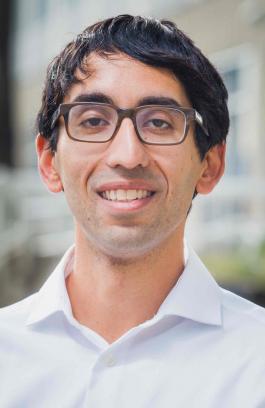
Arun Wiita, MD, PhD
UC San Francisco
Dr. Arun Wiita is a Clinical Pathologist and physician-scientist in the Dept. of Laboratory Medicine at UCSF. In his clinical duties, Dr. Wiita interprets DNA microarrays for diagnosis of copy number variants causative of genetic disease in the prenatal and postnatal settings. He has a particular interest in the integration of emerging knowledge regarding genome architecture and epigenetics in clinical microarray interpretation. In his research lab, supported by a Doris Duke Charitable Foundation Clinical Scientist Development Award, NIH Director’s New Innovator Award, and Damon Runyon Cancer Research Foundation Breakthrough Award, among others, Dr. Wiita focuses on using chemical biology, mass spectrometry, and genome-engineering tools to make diagnostic and therapeutic advances in blood cancers and CNV-related genetic disease. Dr. Wiita graduated from Princeton University with an AB in Chemistry, obtained his MD and PhD at Columbia University with graduate training in single molecule biophysics, and completed residency training in Clinical Pathology at UCSF.
Louise Wilkins-Haug, MD, PhD
Harvard Medical School, Brigham and Women’s Hospital
Dr. Louise Wilkins-Haug is the Division Director for Maternal Fetal Medicine and Reproductive Genetics at Brigham and Women’s Hospital, Harvard Medical School, Boston, MA. She has been at BWH over 25 years and has developed and directed various programs including for trainees and patient care. She is actively involved as a prenatal educator at Harvard Medical School postgraduate courses, Genetics Boards Review Courses and with the American College of Obstetrics and Gynecology.

Zev Williams, MD, PhD
Columbia University Medical Center
Dr. Zev Williams is the Wendy D. Havens Associate Professor of Women’s Health, and Chief of the Division of Reproductive Endocrinology and Infertility at Columbia University Medical Center. His clinical and research focus is in developing and applying novel technologies to diagnose and prevent recurrent pregnancy loss, including leading NIH-funded programs for non-invasive assessment of placental structure and function using single-cell and cell-free RNA analysis and nanopore-based DNA sequencing.

Julianne Wojciak, MS, LGC
UC San Francisco
Julianne Wojciak is a licensed genetic counselor specializing in cardiovascular genetics at UCSF. Since 2010, she has managed the UCSF Cardiovascular Genetics Program, a clinical service providing comprehensive cardiac and genetic services for patients and families with inherited heart disease such as cardiomyopathies, arrhythmias, aortopathies, dyslipidemias, congenital heart defects as well as unexplained sudden cardiac death (SCD). Julianne Wojciak provides genetic counseling services for the Hypertophic Cardiomyopathy Center of Excellence (COE). She also is involved in numerous cardiovascular genetic research studies at UCSF focusing on discovering novel genetic susceptibility factors and directly translating research findings to patients and family members to benefit from potentially life-saving medical care.

Yuval Yaron, MD
Tel Aviv Sourasky Medical Center
Dr. Yuval Yaron is a graduate of the Tel Aviv Sackler Faculty of Medicine at the Tel Aviv University in Israel. He trained in Obstetrics and Gynecology at the Tel Aviv Medical Center and was certified in 1995. He did a clinical fellowship in Reproductive Genetics at Wayne State University in Detroit, Michigan, and received certification from the American Board of Medical Genetics in 1998. He is also board certified in Clinical Genetics by the Israeli Board. For over 20 years he has served as the Director of the Prenatal Genetic Diagnosis Unit at the Tel Aviv Medical Center. Dr Yaron is currently an Associate Professor of Obstetrics and Gynecology at the Tel Aviv Sackler Faculty of Medicine. He served as the secretary of the Israeli Society of Medical Genetics for 8 years. He is a past board member of the International Society for Prenatal Diagnosis (ISPD) and is currently an editorial board member of Prenatal Diagnosis. His areas of interest and research include prenatal diagnosis, carrier screening, preimplantation genetic testing, chromosomal microarrays, biochemical & non-invasive prenatal screening. He now heads the Bioinformatics Team at the Genome Center at the Tel Aviv Medical Center, focusing on the use of Next Generation Sequencing in prenatal diagnosis. Dr Yaron has authored more than 180 publications in peer-reviewed journals and has written numerous chapters in textbooks. He is currently serves as a member of Illumina’s Clinical Expert Panel and is a Medical Advisor to Genoox Bioinformatics.